Tiny Forests, Big Impact: How The Groundswell Collective is transforming urban spaces into thriving mini-ecosystems
Co-founder Anna Noon talks about how tiny forests can bring biodiversity back into unloved urban spaces

The Birth of a Tiny Forest
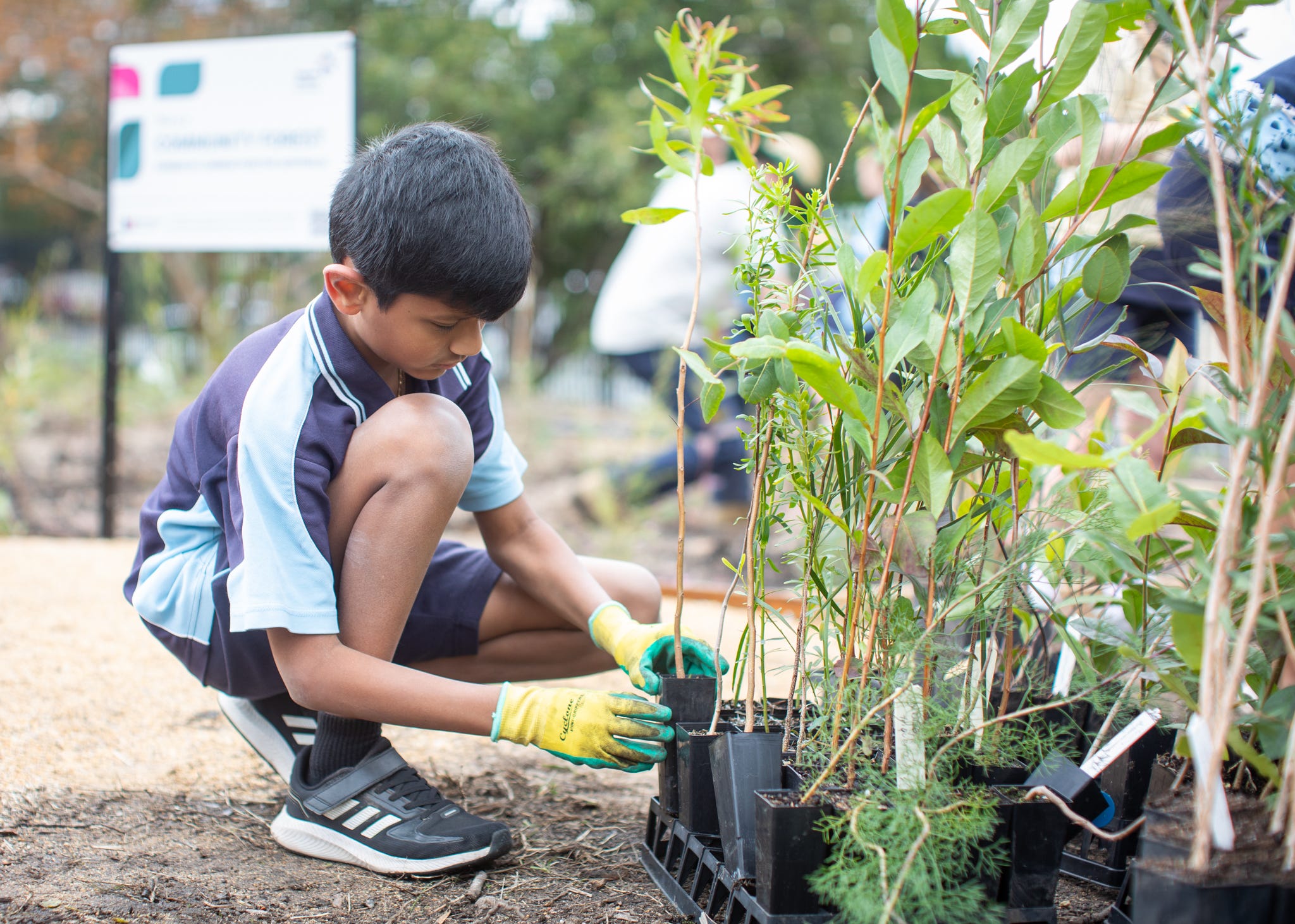
At Teralba Public School, near Lake Macquarie in New South Wales, a group of school kids are getting their hands dirty with planting trees on a barren patch of playground. A metal archway nearby indicates it’s the Teralba Public School Tiny Forest - a mini-ecosystem of 500 native plants packed into a 192 square metre area. Over several months, this sparse patch will transform into an oasis of biodiversity in the suburbs.

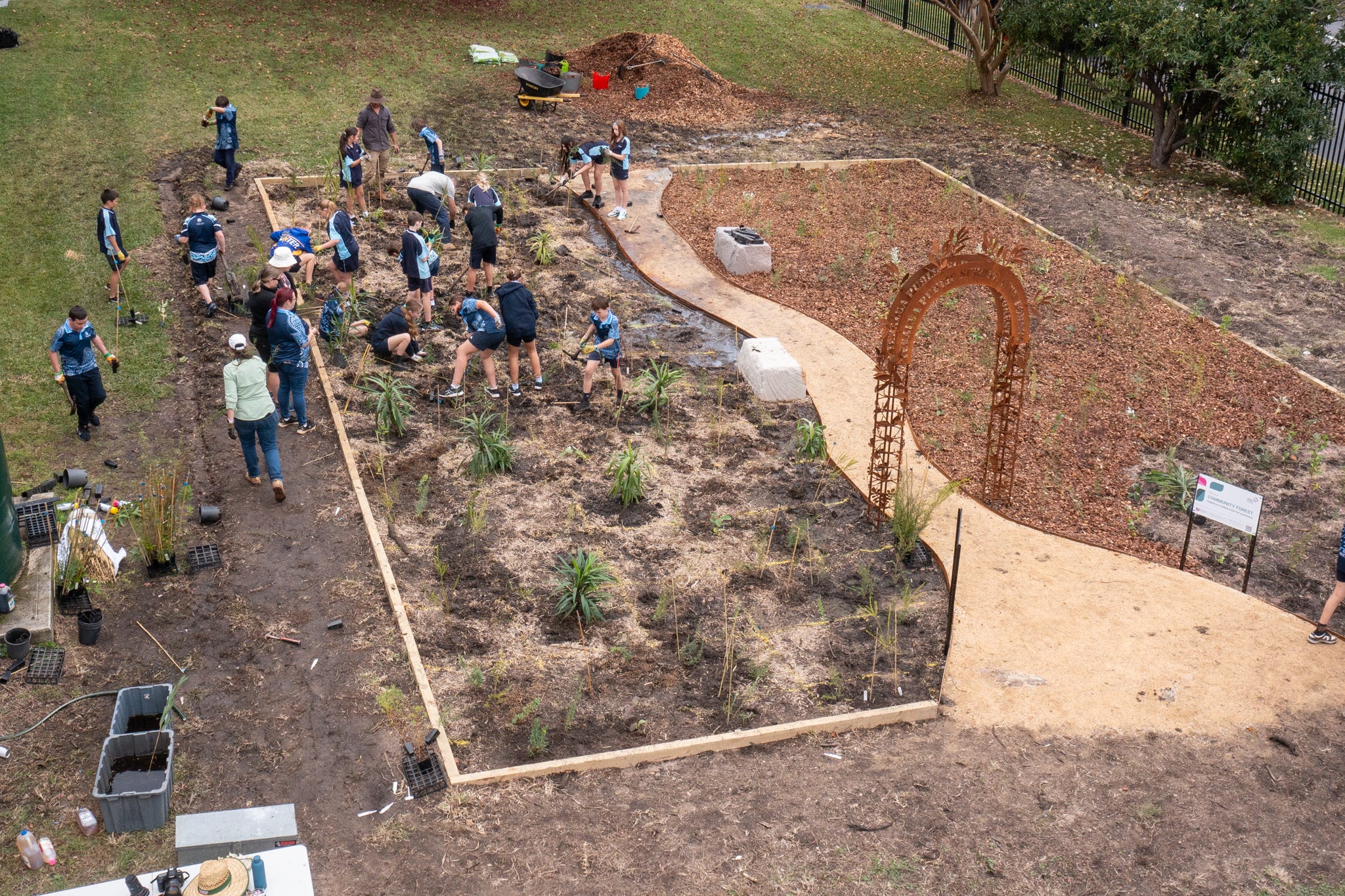
This tiny forest is a project from The Groundswell Collective. Founded by Lake Macquarie residents Anna Noon and Mark Colquhoun, it’s a not-for-profit organisation focused on creating tiny forests in urban areas to enhance urban resilience, local biodiversity, and community well-being.
Grassroots Champions
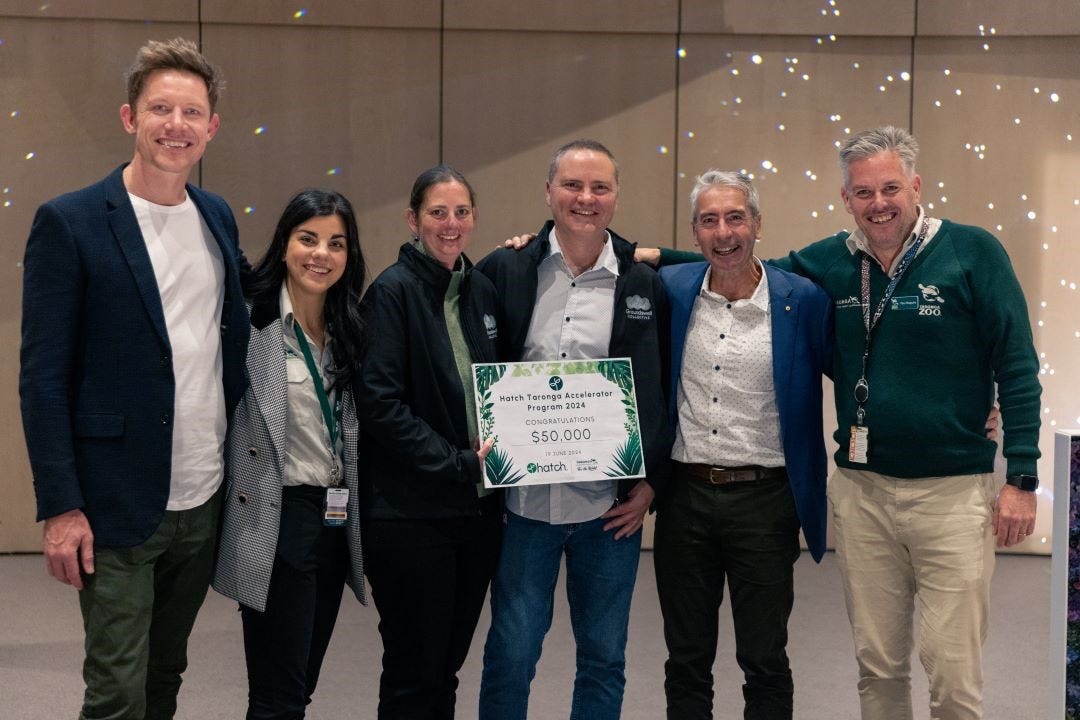
Last month, The Groundswell Collective won the Hatch: Taronga Accelerator Program $50,000 grant, which is aimed at eco-startups addressing environmental and conservation challenges. They plan to use the grant to fund tiny forest projects at two more local schools.
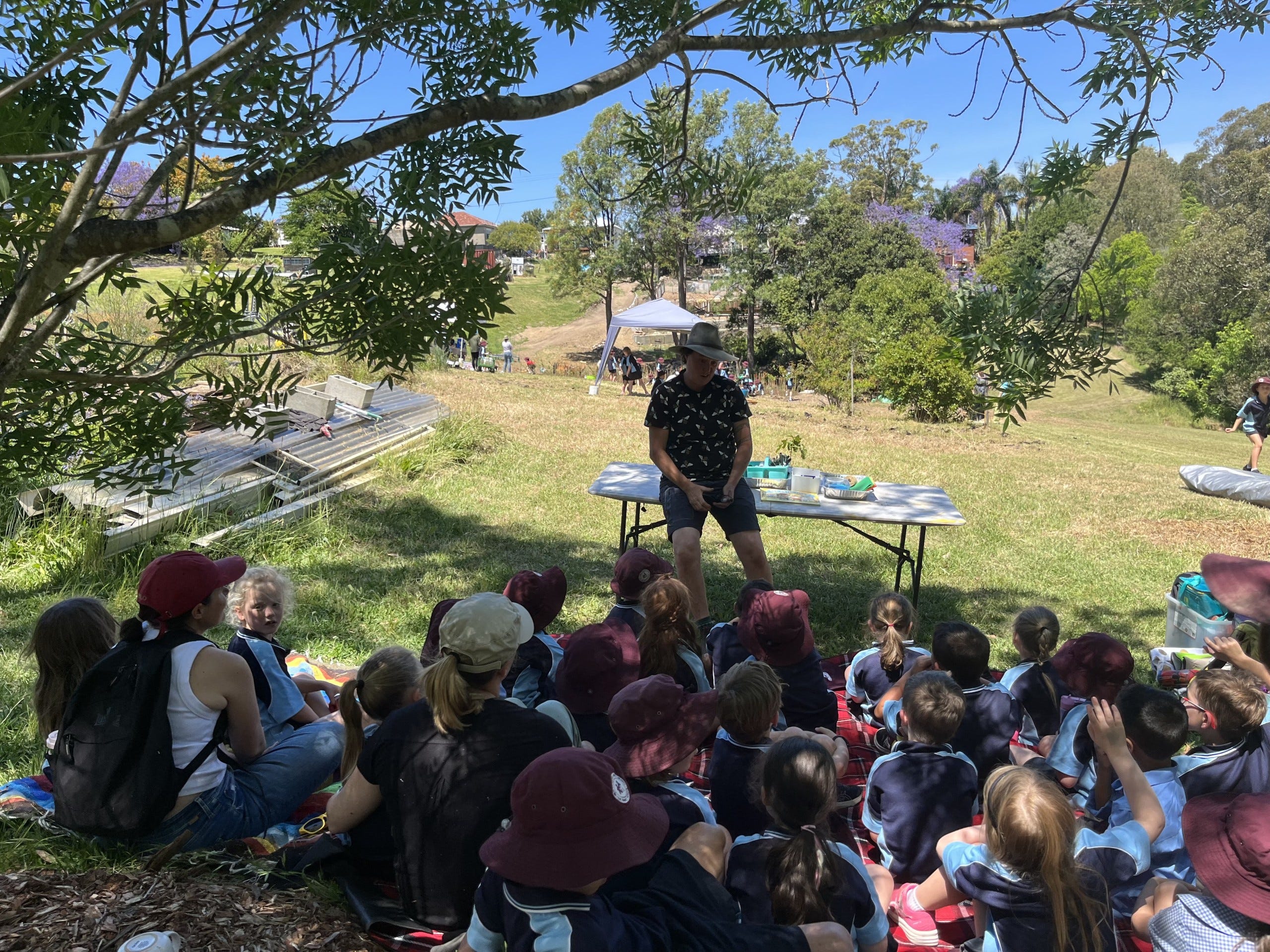
Co-founder Anna sees these projects as a hands-on opportunity to educate school students about nature and inspire environmental stewardship.
“There's a lot of research that tells us that children who have biodiverse playgrounds feel better and do better. They have improved well-being and cognition.”
“We're bringing biodiversity back into those playgrounds and talking to the kids about climate change and nature-based solutions to climate change,” she said.
Local Solutions for Global Problems: The Science of Tiny Forests
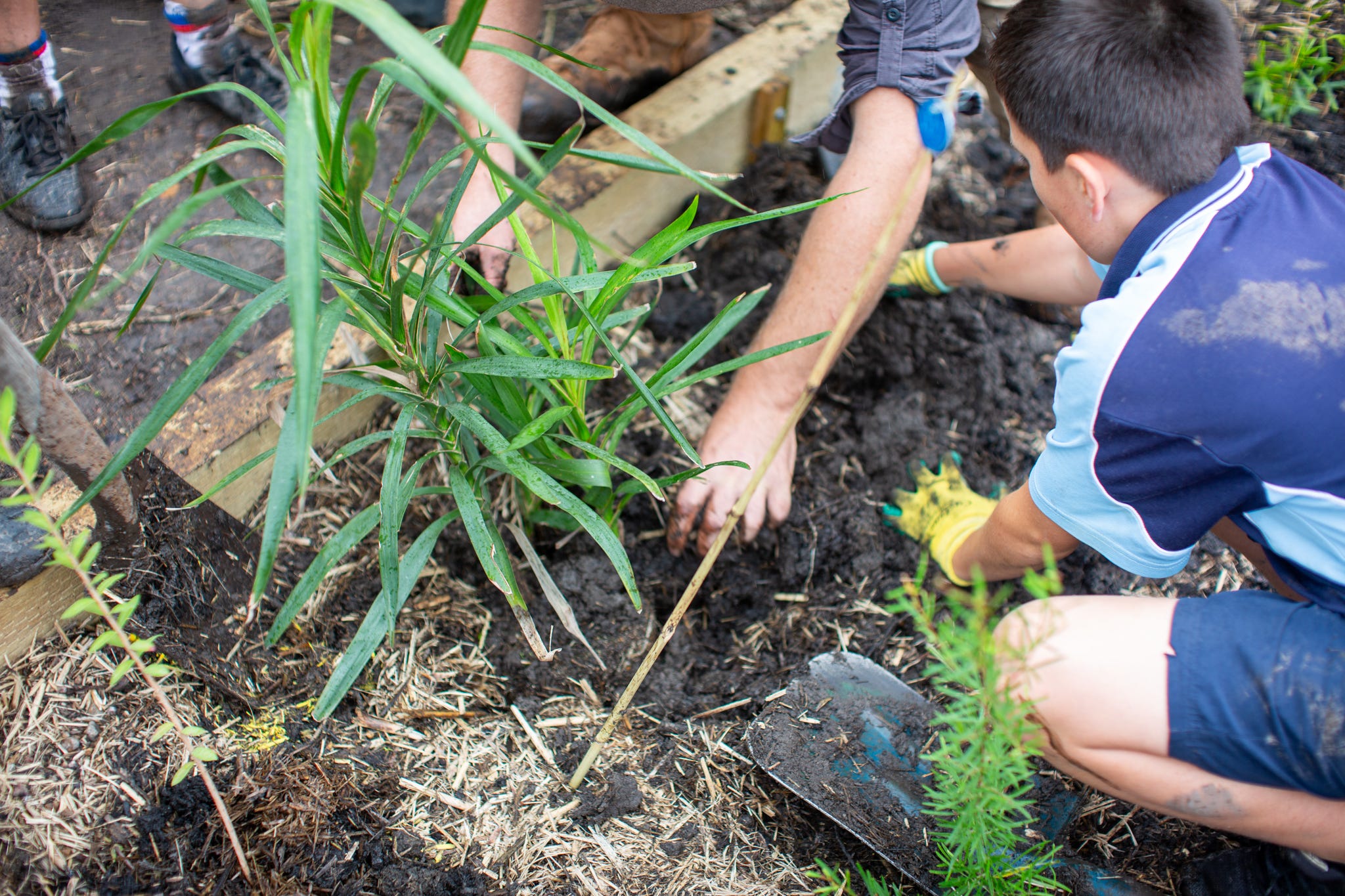
Anna first encountered the concept of tiny forests four years ago while studying sustainable living. Pioneered by the late botanist Dr Akira Miyawaki, the tiny forest approach involves intensive soil preparation and enrichment, followed by densely planting a variety of local native plants. This allows a tiny forest to mature into an ecosystem in just 20 years, compared to 200 years for a forest to regenerate naturally, according to the World Economic Forum. A tiny forest can also support up to 20 times as many species as non-native forests.
“The brilliant thing with tiny forests is that they can be retrofitted into under-utilised urban areas. You can find a patch of land beside a road, in a playground, or in the middle of a roundabout.”
In comparison to other land management approaches, such as bush regeneration or Indigenous land care practices, the tiny forest method focusses on urban areas. As such, Anna thinks tiny forests are more comparable to street tree programs in the suburbs.
“There are probably a few specific differences between what we do and bush regeneration or cultural practices. We tend to plant on barren sites. We use seeds collected from as close to the site as possible for our planting, so we grow our plants to order for projects,” she said.
One advantage tiny forests have over street trees is their variety and compatibility with the local environment, which ensures their longevity and resistance to pests and disease.
“Councils often plant street trees which are sometimes native species, but often not. Generally, only about 75 percent of street trees survive. They get pot shock because they are much bigger when they go in. If one has a pest or disease, given they’re all one variety down a street, it often takes the whole street out - whereas tiny forests have a rich biodiversity. So if one species struggles, there are plenty more to take its place,” she explained.
Small Spaces, Big Benefits
Tiny forests offer a multitude of benefits for the climate and community well-being. They capture carbon, dissipate urban heat islands, and cool the local environment.
“They're filtering air pollution and noise pollution. They're slowing water movement across surfaces, which is great for flood mitigation. They’re providing dense habitat for native species,” said Anna. “On the flip side, you have social outcomes like reducing social isolation, getting people outside and connected with nature, and improving well-being and community resilience.”
The Making of a Tiny Forest
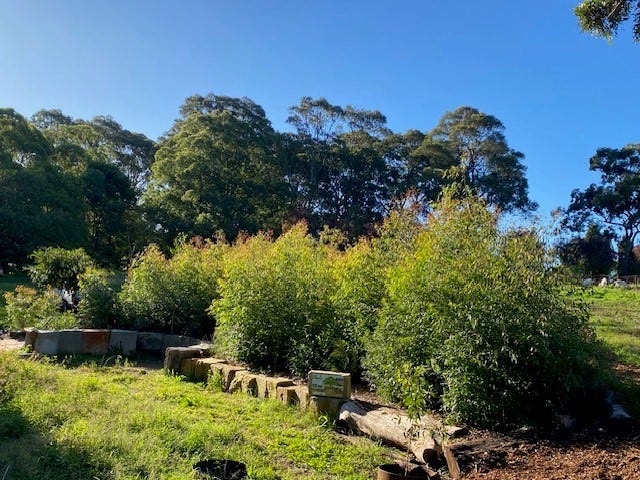
From planning to planting, it takes three to six months to create a tiny forest. The Groundswell Collective allocates most of this time on planning and community consultation. This includes designing the forest and matching the ratios of what would’ve been the original plants on the site to replicate a native forest. The actual planting takes between two to four days.
Although tiny forests were originally developed in Japan, the approach has been successfully replicated in countries such as India, the Netherlands, and Cameroon. To adapt the method to Australian conditions, the Collective has made a minor adjustment by using pH-neutral materials in soil enrichment because Australian plants can be sensitive to excess fertilisation.
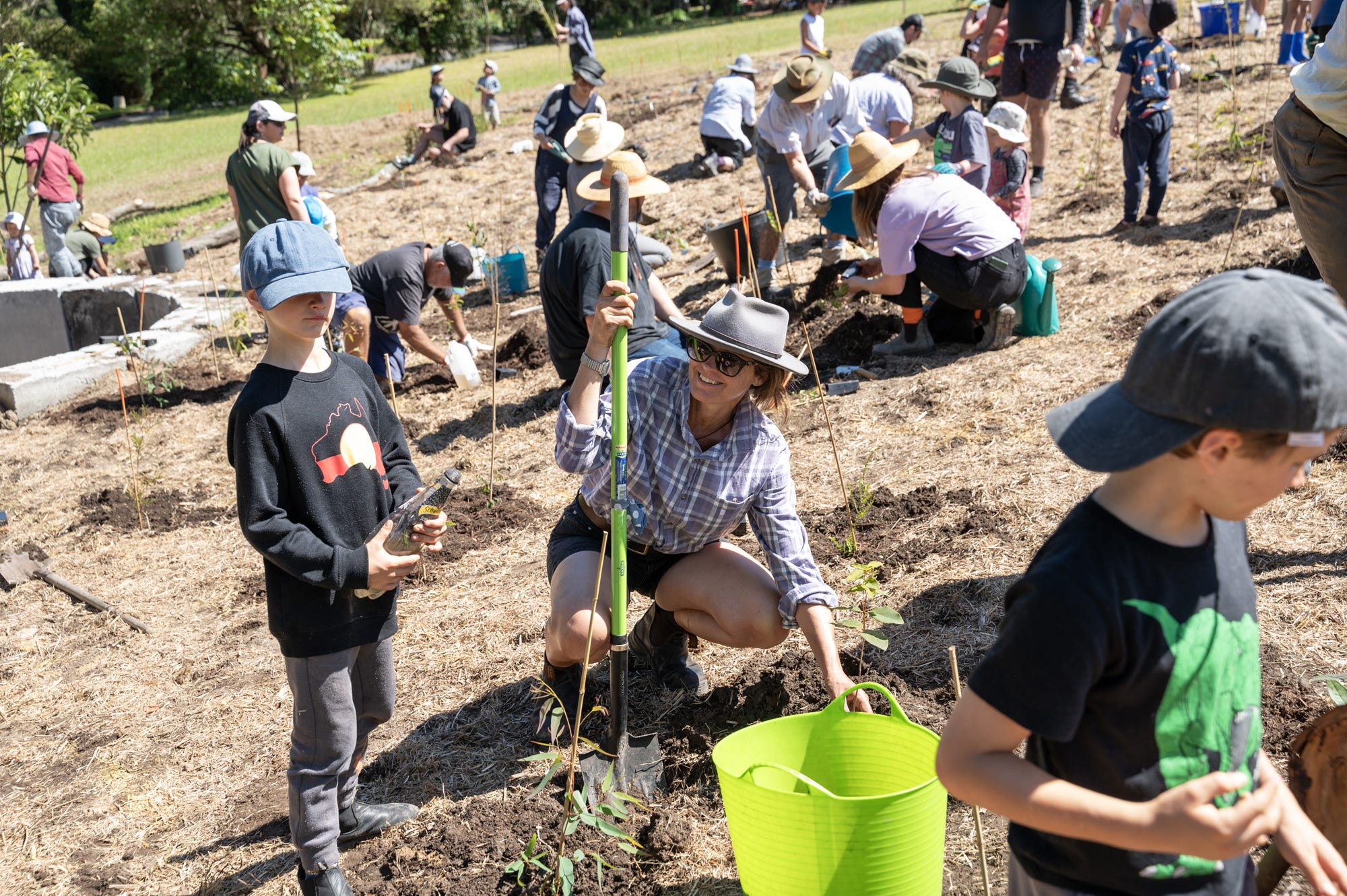
Once the ground is prepared, the Collective holds a community or school planting day. After the planting is completed, a Tree Keeper team of volunteers handles maintenance work and data collection for tracking environmental benefits. After six months, the tiny forest becomes self-sustaining and very low maintenance.
“We've found ours grow so quickly that we've weeded them twice, and by six months old, we never need to do it again. They have so much canopy and ground shading that grasses and weeds don't grow, so there's very little maintenance,” said Anna.
Growing Green Dreams: Groundswell’s Future Plans
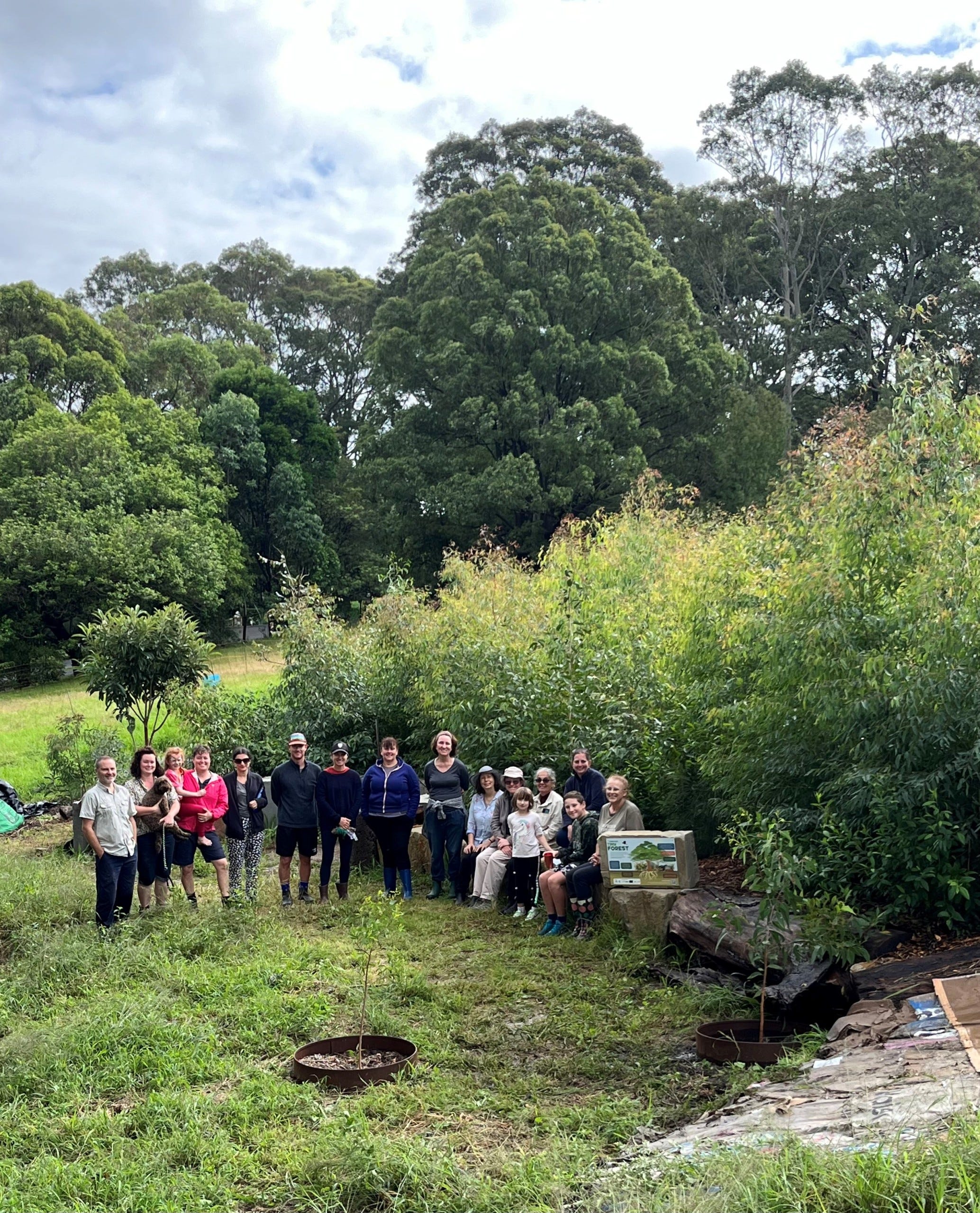
Looking ahead, The Groundswell Collective has another three projects in the pipeline through funding from Carbon Positive Australia. Anna’s goal is to complete six to eight tiny forest projects each year, in addition to their other initiatives like biodiversity workshops.
There’s another dream location for a tiny forest that she’d love to work on in the near future: “We’d love to plant one at Dubbo Zoo and we’ve been talking to Taronga about that. That would be nice.”
The Collective is also investigating projects across the Hunter region in New South Wales, from Maitland and Singleton to the Central Coast. Some of these will be on private property, while others will involve partnerships. For interstate projects, the Collective collaborates with other tiny forest builders across Australia, such as The Climate Factory in the Australian Capital Territory.
As cities grapple with climate change, urban development and biodiversity loss, The Groundswell Collective’s “think globally, act locally” approach offers a practical local solution for revitalising urban landscapes as well as strengthening community ties. By transforming barren urban spaces into thriving ecosystems, they're not just planting trees – they're sowing the seeds of a greener, more connected future, one tiny forest at a time.